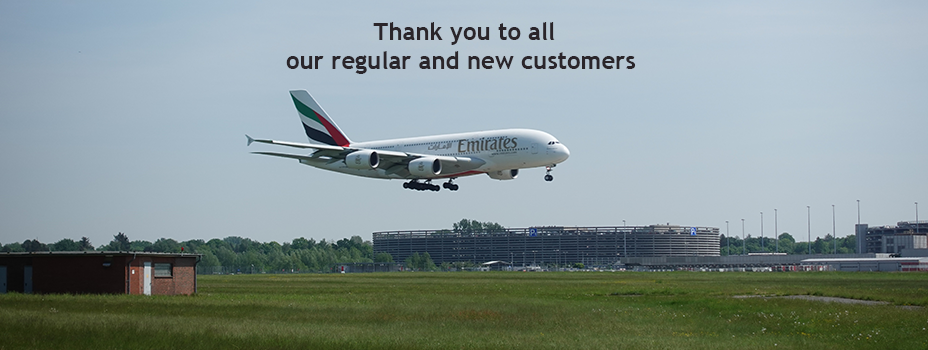






Airport Pickup Process: What Happens After Landing

Landing at a busy London airport is only the first part of the journey. A well-planned airport pickup process removes the uncertainty that can follow: finding the right exit, handling luggage, travelling with children, and working out whether a delayed flight has affected your onward transport. With a pre-booked private transfer, the focus is simple – get through the airport at your own pace, then meet your driver and continue directly to your destination.

Before you travel: details that make collection easier

The collection arrangements begin when you book, not when the aircraft touches down. Give the correct flight number, arrival date, airline, airport terminal where known, and your destination address. These details allow the transfer provider to follow the flight’s expected arrival time and prepare for a reasonable delay.

It also helps to be realistic about passengers and luggage. A couple with two cabin bags may be comfortable in a saloon, while a family with a pushchair, child seats and several large cases will need a larger vehicle. Booking the right size avoids a difficult start to the journey and means everyone can travel safely with their bags.

If you are travelling with young children, request child seats at the time of booking. This is particularly useful after a long flight, when sourcing suitable seats at the kerbside is not an option. Airport24 provides child seats free on request, subject to the details being supplied in advance.

For international visitors, include a mobile number that will work in the UK where possible. Keeping your phone charged before landing is sensible too. You may need it to read your meeting instructions, receive a driver update, or let the operator know if there is an unexpected issue in the terminal.

The airport pickup process after your flight arrives

Once the aircraft has landed, allow for the stages that sit between the runway and the arrivals hall. Your driver cannot meet you at the aircraft door, and the time required varies considerably between travellers.

First comes disembarkation, which may be quick on a quiet stand or take longer if passengers leave by steps and buses. Passport control is next for many arriving passengers, followed by baggage reclaim. At Heathrow, Gatwick, Stansted, Luton, London City and Southend, queues and baggage belt waiting times can change from one flight to the next.

This is why a reliable airport collection is planned around the flight rather than a guess at the exact minute you will walk outside. Flight monitoring helps account for an earlier or later landing. Complimentary waiting time after landing then gives you time to clear the usual arrival formalities without feeling rushed.

There is a limit to what flight monitoring can show, however. It can confirm that a flight has landed or been delayed, but it cannot tell a driver how long passport control will take, whether a bag has been misplaced, or whether you need assistance in the terminal. If a significant problem arises, contact the office or the number in your booking confirmation as soon as you can.

Collect your luggage before heading to the meeting point

Wait until you have all your luggage, including pushchairs, car seats and any items that may arrive on an oversized baggage belt. Checking this before leaving the reclaim area is far easier than returning later.

When everything is with you, turn your phone on, check for any collection message, and follow the meeting-point instructions supplied with your booking. Avoid heading straight for a taxi rank or public pick-up area unless that is specifically where you have been asked to meet. Airport layouts are large, and walking to the wrong level can add unnecessary time.

Meeting your driver at the right place

Airport meeting points are chosen to be practical and legal for collections. They may be inside the arrivals hall, near a clearly named shop or information point, or in a designated short-stay collection area. The exact location depends on the airport and terminal, so the confirmation instructions should always take priority over general advice.

If your booking includes a meet and greet, look for your driver holding a name board at the stated arrivals location. This is often the easiest option for first-time visitors to London, passengers carrying a great deal of luggage, families with children, and anyone arriving after a tiring overnight flight.

In some cases, the driver may ask you to call or message once you are ready at a specified collection point. This can be more efficient at terminals where vehicle access is restricted or where drivers need to enter a particular car park only when passengers are ready. Neither arrangement is better in every situation. What matters is that you know which one applies before you leave the terminal.

If you cannot immediately see your driver, do not leave the agreed meeting point. Check the name on the board, your confirmation details and any messages on your phone. Then contact the number provided. A calm call usually resolves a simple issue such as two nearby exits, a changed terminal door, or an unfamiliar airport landmark.

What to do if your flight is delayed or diverted

A delay is inconvenient, but it does not have to mean losing your transfer. Pre-booked airport services that monitor flights can adjust to many normal delays, provided the booking contains the correct flight information. If the flight number changes, you miss a connection, or the aircraft is diverted to another airport, contact the transfer provider promptly.

Diversions and major schedule changes need active communication because they may affect driver availability, journey distance and collection arrangements. The earlier the provider knows, the better the chance of offering a practical solution.

From the terminal to your London destination

After meeting, your driver will help with luggage and take you to the vehicle. This is a useful moment to confirm the destination, particularly if you are staying at a hotel with a similar name to another property or travelling to a large venue, office complex or private address.

A private transfer is door-to-door, so there is no need to navigate rail changes with suitcases or queue again for a metered taxi. For visitors arriving at Heathrow or Gatwick, this can make a substantial difference after a long-haul journey. For business travellers, it offers a quieter, more predictable start before a meeting, conference or train connection.

Traffic is part of travelling in and around London. Roadworks, peak periods and major events can affect the route, but they need not affect a pre-agreed fare. With a fixed-price booking, what you are quoted is what you pay, rather than a meter increasing while the vehicle waits in congestion. Check the booking terms before travel so you understand what is included and whether any requested changes could alter the price.

The right route may not always be the shortest route on a map. An experienced driver will consider current traffic conditions, airport access roads and the practicalities of reaching your final address. If you have a time-sensitive appointment, say so when booking rather than assuming a particular journey time can be guaranteed.

Common pickup problems and how to avoid them

Most airport collection problems come down to missing information or passengers moving before checking their instructions. A few simple habits reduce the risk:

  • Book with the correct flight number, not just an estimated landing time.
  • Read the meeting-point instructions before you travel and save the contact number in your phone.
  • Keep your phone switched on after landing and bring a charger or power bank.
  • Tell the operator about oversized luggage, children, extra stops or mobility requirements in advance.
  • Contact the provider if your flight number, terminal, arrival airport or passenger numbers change.

It is also worth allowing extra time if you are arriving during school holidays, on a bank holiday weekend or on a flight that lands alongside several other long-haul services. No driver can speed up immigration or make baggage appear sooner, but a properly arranged pickup gives you a clear next step when you are ready to leave.

A calmer arrival starts with a clear plan

The best airport pickup process does not require you to rush through arrivals or negotiate a fare after landing. It gives you a known driver arrangement, enough time to collect yourselves and your luggage, and a direct onward journey at a stated price. Keep your flight details accurate, follow the collection instructions, and let your driver take care of the road while you settle into London.

Read More

How to Schedule Corporate Airport Transport

A delayed flight, a client meeting across town and a colleague arriving at a different terminal can turn a straightforward work trip into a costly distraction. To schedule corporate airport transport properly, the journey needs more than a pickup time. It needs accurate flight details, the right vehicle, a clear meeting plan and a fare your team can account for before travel begins.

For businesses travelling to, from and across London, pre-booked private transport provides a practical alternative to relying on rail connections, last-minute taxis or app-based prices that change with demand. The aim is simple: get each traveller where they need to be, on time and without adding another task to a busy working day.

Why pre-booked airport transport works for business travel

Corporate journeys rarely begin and end at an airport. A traveller may need collecting from an office in Canary Wharf, taken to Heathrow before an early flight, or met at Gatwick and driven directly to a hotel, conference venue or client’s office. With luggage, presentation materials and a tightly planned diary, changing trains or searching for a taxi rank is not always the best use of time.

A pre-booked private hire transfer gives the journey a defined start point, destination and quoted fare. That matters when arranging travel for employees, guests or senior colleagues. A fixed price makes expenses easier to forecast, while a scheduled driver and vehicle reduce uncertainty at either end of the flight.

It is particularly useful when several people are arriving separately, when a visitor is unfamiliar with London, or when the journey falls outside normal office hours. London airports operate around the clock, and business travel does not always fit a convenient timetable.

Schedule corporate airport transport around the real itinerary

The most reliable bookings are made from the full itinerary, not simply the flight departure time. Start with the address where the traveller needs collecting and the exact airport terminal. Heathrow, Gatwick, Stansted, Luton, London City and Southend all have different access arrangements, and terminal information helps avoid unnecessary delays.

For an outbound flight, allow time for the road journey, airport check-in, security, baggage drop and any internal terminal transfer. International flights, peak commuter periods and journeys from central London can all require more time. A pickup that looks reasonable on a quiet Sunday afternoon may be too late for a weekday morning departure.

For an inbound journey, provide the flight number as well as the scheduled landing time. A flight number allows the transfer provider to monitor progress and adjust collection arrangements if the aircraft is delayed. The collection time should also account for passport control, baggage reclaim and the time needed to reach the designated meeting point.

A traveller carrying only hand luggage may be ready sooner than a family or group with checked bags, but it is better not to assume. For corporate guests arriving from overseas, give them simple instructions before they fly: where to go after customs, how to recognise their driver or meeting point, and which contact number to use if needed.

Build in sensible time, not excessive time

Punctuality does not mean scheduling every journey hours early. It means allowing for the conditions that apply to that specific trip. A short transfer to London City Airport may be quick outside rush hour, while a journey from west London to Stansted or Luton needs more planning.

Consider the day of travel, roadworks, major events, school holidays and the traveller’s check-in requirements. If a meeting is being held immediately after landing, give the visitor time to collect themselves before the appointment. Fifteen calm minutes at a hotel or office reception can be more valuable than a schedule that leaves no room for a minor delay.

Choose a vehicle that suits the people and luggage

Vehicle selection should be based on more than passenger numbers. Two colleagues with large suitcases and cabin bags may need more space than four people travelling light. A group attending an exhibition may also be carrying samples, equipment or display materials.

When booking, state how many people are travelling and describe any significant luggage. This helps match the journey with an appropriate saloon, estate, people carrier or larger vehicle. The right vehicle protects comfort as well as capacity. After a long-haul flight, nobody wants to balance a laptop bag on their knees for the drive into London.

Child seats can also be requested for employees travelling with family, and this should be arranged in advance. If the booking involves a wheelchair, mobility aid or unusually large item, confirm the requirements early so suitable transport can be planned.

Keep booking details clear for travellers and organisers

A central travel organiser may make the reservation, but the person in the vehicle needs the important details too. Send the confirmation to the traveller with the collection date, local pickup time, terminal, destination address and contact information. For airport arrivals, include the meeting instructions in plain language.

Double-check names, mobile numbers and addresses before confirming. London has similarly named streets, hotels with multiple branches and offices spread across large developments. A full postcode, building name and reception instructions can save time at collection.

For a return booking, confirm whether the traveller will leave from the same address and whether their flight details have changed. It is easy to focus on the outbound journey and overlook the return, especially after a meeting has been moved or extended.

Where several employees are travelling, keep one person responsible for communicating changes. This avoids conflicting instructions and gives the driver a reliable point of contact if a flight is delayed, a meeting overruns or a passenger cannot be located.

Fixed fares bring control to travel budgets

Business travel costs can rise quickly when fares depend on traffic, route changes or high demand. A pre-booked quoted price gives the organiser a clear figure before approving the journey. It also means the traveller is not left trying to explain an unexpected fare after a late-night arrival.

The lowest advertised price is not always the best value. Check what is included: airport collection arrangements, waiting time after landing, flight monitoring, luggage allowance and the vehicle size. A booking that appears cheaper can become less useful if it does not allow for the normal realities of an airport arrival.

Airport24 provides pre-booked, fixed-price private transfers across Greater London and to major airports, stations and ports. What is quoted is what the customer pays, helping businesses plan journeys without meter-based or surge-style uncertainty.

Plan for changes without creating confusion

No travel plan is immune to disruption. Flights are delayed, arrivals move to another terminal and meetings run longer than expected. The best approach is to make sure the transfer provider has the flight number, the traveller has the booking details, and any changes are shared as soon as they are known.

For arrivals, flight monitoring can remove much of the pressure caused by a delayed aircraft. For departures, however, the traveller should not assume that a changed meeting time automatically changes the pickup. If a schedule shifts, update the booking promptly and allow time for the revised journey.

It also helps to distinguish between a flight delay and a passenger delay. Monitoring can show when an aircraft lands, but a traveller who stops for shopping, loses a phone or takes an extended call after baggage reclaim may exceed the included waiting period. Clear expectations protect both the passenger and the booking organiser.

Use the same standard for clients and colleagues

Airport transport is often the first practical experience a visiting client has of a company. A courteous driver, clear collection arrangements and a comfortable vehicle create the right impression before the meeting even begins. The same standard should apply to employees travelling home after a late flight or heading to an early conference.

For regular routes, such as office-to-Heathrow or Gatwick-to-hotel, keep a simple record of preferred pickup points, typical travel times and vehicle requirements. This makes repeat bookings quicker while still leaving room to review flight and passenger details each time.

The most useful corporate transport plan is the one that travellers barely need to think about. Set the journey up with accurate information, realistic timing and a suitable vehicle, then let the traveller focus on the work waiting at the other end.

Read More

Corporate Transport for London Business Travel

A delayed airport pickup can set the tone for an entire client visit. A missed train connection can leave a colleague arriving at a meeting flustered rather than prepared. Corporate transport is not simply about getting from A to B – it is about protecting time, presenting your business well and giving travellers one less detail to manage.

For London businesses, the challenge is rarely distance alone. Airports sit across a wide area, rail terminals can be busy and unfamiliar, and traffic conditions vary considerably by time and route. A pre-booked private transfer gives staff, clients and visitors a clear plan: a driver, a vehicle suited to the group and luggage, and a quoted fare agreed before the journey begins.

What corporate transport should solve

Business travel often involves tighter timings than a leisure journey. A visitor may need collecting from Heathrow and taken directly to an office in the City. A team may be travelling from a hotel to ExCeL London for a conference. Senior colleagues might require an early transfer to Gatwick, while overseas guests need help reaching a meeting after a long-haul flight.

The right service should remove avoidable uncertainty. That means knowing the collection arrangements in advance, having sufficient space for cases and equipment, and avoiding a fare that rises because traffic has slowed the journey. Fixed-price private hire is particularly useful where travel is booked on behalf of somebody else, as the journey cost can be recorded and approved beforehand.

It also matters that the service is licensed and insured. When arranging transport for employees or clients, businesses have a duty to make sensible choices about safety and reliability. A Transport for London licensed private-hire operator provides a more accountable option than asking a visitor to find transport after arrival.

Corporate transport for airports, stations and offices

London has six major airports, several mainline rail stations and a large number of business districts. Each trip needs a slightly different approach.

Airport arrivals need room for delays

Airport journeys are not timed from the moment a plane touches down. Passengers may need to clear passport control, collect baggage and walk from the gate. This is especially relevant at Heathrow and Gatwick, where terminals are large and arrivals processes can vary.

A well-managed airport transfer uses flight monitoring so the pickup can respond to an early or delayed arrival. Clear meeting-point instructions are equally valuable, particularly for international guests who may not have a working UK mobile connection. Complimentary waiting time after landing provides further breathing room, rather than turning a normal baggage delay into an unexpected charge.

When booking, provide the flight number, airline and terminal where known. Include a passenger contact number and advise whether they have large cases, sample materials or presentation equipment. These details make it easier to allocate the right vehicle and coordinate collection properly.

Departures require realistic planning

For an outbound flight, the best pickup time depends on the airport, terminal, airline, time of day and whether the traveller is checking luggage. A journey from central London to Heathrow may be straightforward in light traffic but take much longer during a weekday peak. A fixed fare does not remove traffic, but it does remove the worry of a metered total increasing while the vehicle is delayed.

Allow time for road conditions, airport drop-off arrangements and the time needed inside the terminal. For early-morning flights or important international journeys, pre-booking is usually preferable to relying on a car being available at short notice.

Stations and offices benefit from door-to-door travel

Rail travel can be efficient, but it is not always practical for visitors with cases or people travelling to an unfamiliar part of London. A direct transfer from London Euston, King’s Cross, Paddington, Victoria or Waterloo can avoid changes on the Underground and the need to navigate busy platforms.

Door-to-door travel is also useful for journeys between offices, hotels and meeting venues. For a client arriving at a station, the difference between a clear pickup plan and a vague instruction to find a taxi can be noticeable. The journey begins as soon as they arrive, not when the meeting starts.

Choosing the right vehicle and booking details

A corporate transfer should fit the journey rather than force passengers to fit the vehicle. One traveller with hand luggage may need a standard saloon, while a family, delegation or conference group may need an estate, people carrier or larger vehicle. Luggage capacity matters as much as seat numbers.

Before confirming a booking, check the number of passengers, cases and any bulky items. If child seats are required for accompanying family members or visiting guests, request them in advance. For groups travelling to the same event, one larger vehicle can be more convenient than coordinating several separate cars, although multiple vehicles may be better where arrival times or collection points differ.

Accurate addresses are essential. London postcodes can cover large buildings, multi-entrance offices and hotel complexes. Give the full pickup address, company name where relevant and a contact person who can assist if access is restricted. For airports and stations, use the designated meeting instructions supplied with the booking rather than assuming every terminal has the same collection point.

Fixed fares make business travel easier to manage

Corporate travel budgets work best when costs are visible. A pre-agreed price allows an office manager, travel coordinator or traveller to know the transport cost before confirming the journey. It avoids the uncertainty of surge-style pricing and reduces the need to explain why a short route cost more than expected on a busy day.

This is not only about accounting. It helps businesses make informed decisions. A direct private transfer may cost more than public transport for one person travelling light, particularly on a simple central London route. However, it can represent better value when time is limited, luggage is heavy, several people are sharing, or the journey involves an airport outside central London.

The most suitable option depends on the purpose of the trip. For routine staff commutes, public transport may remain the sensible choice. For airport pickups, client meetings, conference schedules and journeys where punctuality carries a commercial value, a pre-booked car is often the more dependable arrangement.

Setting a simple travel policy

Businesses do not need a complicated process to improve corporate travel. A short, practical policy can make bookings more consistent and reduce last-minute decisions. It should explain who can authorise travel, what journey details must be supplied and when a private transfer is appropriate.

For regular travel, keep a record of preferred pickup addresses, common airports, usual passenger requirements and billing information. Encourage travellers to share flight details promptly and to notify the booking team if plans change. The more accurate the information at the start, the easier it is to provide the right service on the day.

It is also sensible to book early for major exhibitions, sporting fixtures, holiday periods and large conferences. Demand is higher, roads can be busier and group vehicles may be less readily available. Early booking gives organisers more choice and travellers greater confidence in their arrangements.

A professional arrival starts before the meeting

The driver who collects a client is often the first person connected with your business that they encounter in London. Courtesy, a clean suitable vehicle and a clear collection plan all contribute to a professional experience. The same applies to employees returning from a demanding trip: reliable transport home or to the office is a practical sign that their time is valued.

Airport24 provides pre-booked, fixed-price private transfers across Greater London, including airport, rail station, office, hotel and port journeys. With flight monitoring, licensed drivers and vehicle options for individuals and groups, the focus is on getting passengers where they need to be safely and on time.

The strongest corporate travel arrangements are usually the least dramatic. When the driver arrives as planned, the fare is already known and the passenger reaches the right door with time to spare, everyone can focus on the business that brought them there.

Read More

When a Chauffeur Service Makes London Travel Easier

A late arrival at Heathrow, two children, three cases and an unfamiliar route into London can turn a simple transfer into the hardest part of a trip. A pre-booked chauffeur service removes much of that uncertainty: your vehicle is arranged in advance, the fare is known before travel, and a professional driver meets the journey requirements rather than leaving you to join a taxi queue or work out rail connections.

For business travellers, families and visitors, the value is not simply being driven from A to B. It is having a clear plan for getting there on time, with enough room for people and luggage, whatever London traffic or a delayed flight brings.

What a chauffeur service should provide

The phrase chauffeur service can suggest a luxury car for a special occasion. That may be appropriate for some journeys, but the practical benefit is broader. A good private-hire service provides a clean, insured vehicle and a courteous, licensed driver for a journey booked around your timetable.

For an airport transfer, this means a driver who understands that the scheduled landing time is not always the time a passenger reaches arrivals. Flight monitoring helps the pickup respond to an early or delayed flight, while included waiting time after landing gives passengers time to pass through passport control, collect bags and make their way to the meeting point.

For a trip to a rail station, office or hotel, it means door-to-door travel without changing platforms or carrying luggage through a busy concourse. The right vehicle can be selected for a solo traveller, a couple, a family or a larger group. If a child seat is needed, it should be requested when booking so the journey is properly prepared.

When private car travel is the sensible choice

A chauffeur-driven journey is particularly useful when reliability matters more than finding the cheapest possible fare at the kerbside. Public transport can work well for light luggage and flexible plans, but it becomes less convenient after a long flight, during a rail disruption or when travelling with young children.

It can also make financial sense for groups. Four passengers travelling with cases may need more than one standard taxi or face a complicated train journey with multiple tickets. One appropriately sized private vehicle gives everyone the same pickup point, destination and agreed fare.

Business travel is another clear example. A driver arranged for an early meeting, a conference venue or a return station journey allows passengers to use the time productively or simply arrive composed. The vehicle does not need to be extravagant. Punctuality, discretion and a straightforward booking process are usually more valuable than unnecessary extras.

Planning an airport pickup without the guesswork

Airport pickups work best when the booking includes accurate flight details, the number of passengers and a realistic estimate of luggage. This lets the operator monitor the arrival and allocate a vehicle with sufficient capacity. A small saloon may suit one or two travellers with light bags; families, ski equipment, pushchairs or several large cases may require an estate, people carrier or larger vehicle.

Allow for the part after landing

Landing is only the first stage of an international arrival. Passengers may need time for border checks, baggage reclaim and walking through a large terminal. Clear meeting-point instructions avoid the frustrating search for a driver among busy arrivals halls. Keep your mobile phone charged, check messages after landing and follow the instructions supplied for your terminal.

If your flight is delayed, a monitored booking is preferable to trying to arrange transport after arrival. Prices and availability can be less predictable at that point, particularly late at night or when several flights arrive together.

Book the return journey at the same time

A return booking is useful when your departure time is fixed. The pickup can be planned around the airport, terminal and airline guidance, with additional time for London traffic where needed. Your driver cannot control a road closure or an unusually busy morning, but a pre-arranged transfer gives you a considered departure time rather than a last-minute decision.

How to choose a chauffeur service in London

The best option depends on the journey, but a few details are worth checking before you book. Do not assume every advertised car service operates in the same way.

  • A fixed, quoted fare: Confirm whether the price is agreed at booking and whether it remains the same if traffic is heavy. A fixed fare is especially reassuring for airport and long-distance journeys.
  • Private-hire licensing and insurance: Use a provider operating under the relevant Transport for London requirements, with properly insured drivers and vehicles.
  • Arrival support: For airport collection, ask whether flight delays are monitored, how much waiting time is included and where the meeting point will be.
  • Vehicle suitability: State passenger numbers, cases, child-seat requirements and any bulky items. The least expensive vehicle is not good value if the luggage will not fit.
  • Clear availability and communication: A 24-hour operation is helpful for early departures and late arrivals, but it should also provide practical instructions and a way to resolve questions before travel.

Reviews and recommendations can be useful, although they should not replace checking the booking terms. Look for consistent comments about punctuality, driver courtesy and how the company handles changes, rather than focusing only on a single exceptional review.

Fixed fares matter when London traffic does not cooperate

London journeys are not always predictable. Roadworks, events, weather and congestion can add time to a route, even when the driver chooses the most sensible option. A meter-based fare can rise while the vehicle is delayed. With a pre-booked fixed price, the cost is stated before the journey begins, so the passenger can budget with confidence.

That does not mean every journey has one identical price. The quote should reflect the route, date, time, vehicle type and any additional requirements. An early-morning Heathrow transfer for a family will be priced differently from a weekday trip between central London offices. The key point is transparency: you should know the fare before confirming the booking, not after reaching your destination.

A chauffeur service for airports, stations and more

Airport transfers are a common reason to book, but the same approach helps with journeys to London mainline stations, cruise ports, hotels, meetings and visitor attractions. A day trip to Windsor Castle or Stonehenge, for example, is easier when departure times, collection points and luggage arrangements are settled in advance.

Airport24 provides pre-booked private-hire transfers across Greater London and to major airports, stations and ports, with instant quotes, fixed fares and vehicle options for individuals, families and groups. The focus is practical: getting passengers there on time safely, without the uncertainty of a meter or surge-style price.

Before confirming your next journey, take two minutes to check the flight number, pickup address, destination terminal, passenger count and luggage. Those simple details give your driver the information needed to make the collection calm, comfortable and properly planned.

Read More

Dover Cruise Transfer Guide for London Travellers

A cruise from Dover should begin at your door, not with a difficult train change while managing cases, passports and excited children. This Dover cruise transfer guide explains the practical choices for travelling between Dover Port, London, airports and rail stations, so you can book with the right amount of time and arrive ready to board.

Planning your Dover cruise transfer

Dover is on the Kent coast, around 75 miles from central London. The route is straightforward in principle, but journey times can vary with the time of day, roadworks, holiday traffic and conditions around the port. For cruise passengers, the key consideration is not simply the mileage. It is arriving at the correct terminal with enough time for luggage drop, security and check-in.

A pre-booked private transfer is often the simplest option when you have several bags, children, mobility needs or a group travelling together. Your driver collects you from the address, hotel, airport or station you specify and takes you directly to Dover Port. There is no need to carry luggage through stations or work out whether the next train has space for it.

For a central London collection, allow around two to three hours on the road as a sensible planning guide. Early morning departures can be quicker, while weekday peak periods and busy summer weekends may require more time. If your cruise line gives a latest boarding time, do not plan to arrive at that point. Build in a comfortable margin for the unexpected.

Choose the right pickup time

Work backwards from your required arrival time at Dover. Consider your cruise line’s check-in window, the journey time from your pickup point, likely traffic and the time needed to load luggage. If you are leaving from a hotel, factor in checkout and time for everyone in your party to be ready in the lobby.

International visitors arriving on a flight on the same day as their cruise should be particularly cautious. A delayed flight, baggage reclaim, passport control and a long drive can make the schedule tight. Where possible, arriving in London the night before offers more breathing room. If same-day travel is necessary, choose a transfer service that monitors flight arrivals and provide your flight number when booking.

Dover Port transfers from London airports

The best airport for your onward journey depends on your flight, arrival time and party size. A direct private transfer removes the need to travel into central London first, which can save both time and effort.

Heathrow is west of London, so a Heathrow to Dover journey generally takes longer than one from Gatwick. Allow roughly two and a half to three and a half hours, with extra time at busy periods. Gatwick is south of London and often provides a more direct route towards Kent, although traffic still determines the final journey time.

From London City Airport, the route begins in east London and can be convenient for travellers arriving on short-haul flights. Stansted and Luton are north of London, so allow additional time for a cross-country journey. Southend Airport may be a useful option for some routes, but it is not always the fastest drive to Dover despite being in Essex.

Airport arrivals need realistic planning. Landing time is not the same as pickup time. You may need 30 to 90 minutes after landing, depending on the airport, whether you have checked luggage, your nationality and how busy border control is. A reliable private-hire booking should include clear meeting-point instructions, flight monitoring where a flight number has been supplied, and a stated period of waiting time after landing.

From London hotels, homes and rail stations

A door-to-door Dover transfer works well from central London hotels, private addresses and mainline stations such as St Pancras, King’s Cross, Victoria, Waterloo, Paddington and Liverpool Street. Tell the operator the full pickup address and, for a hotel, the name of the property rather than only the postcode. This helps the driver find the correct entrance and collection point.

Station pickups deserve a little more detail. Major London stations have several exits and some vehicle access restrictions, so confirm where you will meet the driver before you arrive. Allow time to leave the platform, use lifts if required and collect everyone in your group. It is better to arrange a clear meeting point than to try to coordinate by phone in a crowded concourse.

If you are staying outside central London, a private transfer can be particularly useful. You avoid travelling into the centre only to head back out towards Kent. The quoted fare should reflect your actual pickup and drop-off locations, rather than an estimate based on a central London starting point.

Choosing a vehicle for cruise luggage

Cruise luggage is usually more substantial than hand luggage for a city break. When requesting a quote, be accurate about passenger numbers, large suitcases, cabin bags, pushchairs and any equipment such as folding wheelchairs. The right vehicle is about luggage capacity as much as passenger seats.

A saloon may suit one or two passengers with modest luggage. An estate, people carrier or larger minibus is generally more suitable for families and groups. Do not assume that a seven-seat vehicle has room for seven adults and seven large cases. Seating configurations can reduce the available boot space, so explain what you are bringing before confirming your booking.

Child seats should also be requested in advance. Families should give each child’s age where possible, allowing the operator to provide an appropriate seat. This is one less item to carry through an airport or into a port terminal.

Fixed fares versus public transport and taxis

Rail travel can be a sensible choice for light packers who are staying close to a suitable London station and have plenty of time. However, it may involve changes, limited luggage space and an onward taxi journey from Dover station to the cruise terminal. It is less appealing after a long flight or for a family travelling with several cases.

A metered taxi can also be difficult to budget for on a long-distance journey. Traffic delays and route changes can affect the final cost. With a pre-booked fixed-price private transfer, you know the quoted fare before you travel. That clarity is useful when comparing options, especially for groups where one vehicle may cost less than several rail tickets and local taxis.

Check what the price includes before booking. A clear quote should account for the planned journey, while any additional requests, such as extra stops or a larger vehicle, should be agreed in advance. Be wary of prices that appear unusually low but do not explain waiting time, parking, luggage allowances or how delays are handled.

What to include in your booking

Accurate booking details help your driver and reduce last-minute calls. Provide the cruise terminal or port destination stated by your cruise line, your pickup address, date and time, passenger number and luggage details. For airport collections, add your flight number. For return journeys after the cruise, give the ship’s scheduled disembarkation time but allow for the fact that passengers may be released in stages.

Keep your mobile phone switched on when you travel and make sure the number includes the correct international prefix if you are visiting from overseas. Save the transfer provider’s contact details before departure. If you expect to be delayed at the airport or port, contact the operator as soon as you can.

Airport24 provides pre-booked, fixed-price private transfers for Dover Port from London, airports, stations and addresses across Greater London. Vehicles and child seats can be selected to suit the party, with TfL-licensed, insured private-hire service arranged in advance.

Your return transfer from Dover

The return journey needs just as much thought as the outbound trip. Ships can arrive on schedule, but disembarkation, luggage collection and port procedures may take time. Avoid booking a collection for the precise moment the ship docks. A later pickup gives you a more realistic chance of meeting your driver without rushing.

If you have an afternoon or evening flight, you may have time for a direct transfer to the airport or a planned stop in London. Make any stop clear at the time of booking, as it affects the route, duration and fare. Travellers with early flights should allow a generous margin rather than relying on a tightly timed connection.

The most comfortable Dover cruise transfer is the one that leaves room for real travel conditions. Book a vehicle that fits your people and luggage, confirm your terminal, allow extra time around flights and port procedures, and start your cruise with the certainty of knowing how you will get there.

Read More

How to Organize Group Airport Transfers Easily

A group can clear the same arrivals gate within minutes yet still take an hour to leave the airport if nobody has agreed on the vehicle, meeting point or luggage plan. To organise group airport transfers properly, treat the journey as part of the trip rather than a last-minute taxi decision. One pre-booked private vehicle can keep colleagues, relatives or holiday companions together from terminal to door.

This is especially useful in London, where airport terminals, rail connections and busy roads can make separate travel arrangements feel unnecessarily complicated. A clear plan gives everyone the same instructions, protects the budget and provides a much calmer start or finish to the journey.

Start with the real group size, not just headcount

The number of passengers is only the first detail. A vehicle that seats eight people may not be suitable for eight people arriving after a two-week holiday with large suitcases, cabin bags, pushchairs and sports equipment. Children also need seats, even if they are travelling on an adult’s lap during other parts of the trip.

Before requesting a quote, ask each traveller what luggage they will bring and whether there are any items that need extra space. Wheelchairs, golf bags, folded prams, musical instruments and presentation materials should all be mentioned at booking. It is better to book a larger vehicle than to discover at the airport that bags cannot be loaded safely.

For business groups, consider whether everyone genuinely needs to travel together. A team of twelve carrying only hand luggage may be more comfortable in two vehicles than in one large minibus, particularly if they are heading to different hotels or need to make several stops. On the other hand, families and tour groups often prefer one vehicle because it keeps the party together and avoids managing multiple arrivals.

Choose a pickup time that allows for the journey

For an airport drop-off, work backwards from the flight departure time. Allow for airline check-in requirements, terminal location, road traffic and the time needed to load the vehicle. International travellers, passengers checking bags and families with young children should usually allow more time than a group travelling with hand luggage only.

Do not rely on a journey time you saw during a quiet part of the day. London traffic changes considerably around commuter periods, school runs, weekend events and major roadworks. A pre-booked transfer company can advise on a sensible collection time, but the final decision should reflect your airline’s guidance and the group’s needs.

For airport collections, provide the flight number as well as the planned landing time. The flight number allows the transfer provider to monitor delays and adjust the collection arrangement when appropriate. It also avoids a common problem: one person sends a revised arrival time while the rest of the group assumes the original booking still applies.

How to organise group airport transfers with a clear brief

The person making the booking should collect all journey details before confirming anything. A vague request such as “eight people from Heathrow to central London” leaves too much open to assumption. Give the provider the terminal, date, flight details, destination and an accurate passenger and luggage count.

It also helps to nominate one lead traveller. That person should have their phone switched on after landing, know the booking reference and be able to contact the driver or operations team if the group is delayed at passport control or baggage reclaim. Share the same information with a second adult in the party in case the lead traveller has no signal or is busy helping children.

For groups travelling from different addresses, decide whether separate pickups are worth it. Extra collections add time and can affect the quoted fare, but they may be worthwhile for elderly relatives, guests unfamiliar with London or travellers carrying a great deal of luggage. If you are working to a tight schedule, arranging one meeting address is usually the simpler option.

Confirm the meeting point before anyone lands

Airport arrivals halls are busy, and each terminal has its own collection arrangements. Tell every traveller where to go after baggage reclaim and what to do if they cannot find the group. A designated meeting point is far more practical than asking people to “wait outside”, particularly at Heathrow, Gatwick, Stansted, Luton, London City or Southend.

A good airport transfer booking should explain the collection procedure in advance. Travellers should know whether the driver will meet them in the terminal or at a nominated pickup area, how the driver can be identified, and which number to call if circumstances change.

Build in patience for the parts no driver can control. Passport queues, delayed luggage and oversized-baggage collection can hold up a group, even after the flight has arrived. Complimentary waiting time after landing and flight monitoring are valuable because they give the group breathing room, but travellers should still keep the provider updated if there is an unusually long delay.

Keep the fare predictable

When several people are sharing transport, a fixed price makes planning easier. The group knows the cost before travelling and can decide how to split it without watching a meter rise in slow-moving traffic. For visitors arriving from overseas, that certainty is often more reassuring than trying to compare unfamiliar taxi fares, train tickets and possible app-based surge pricing.

Check what the quote covers before booking. The exact fare should reflect the booked route, vehicle, passenger numbers and any agreed stops. If your plans change – perhaps an extra guest joins the group, the destination moves outside central London or you need a return journey – tell the provider early. A revised itinerary may require a different vehicle or a new price.

The cheapest option is not always the best value. A rail journey may look less expensive at first, but the calculation changes when a group is buying separate tickets, changing lines, carrying luggage up stairs or paying for onward transport from the station. Door-to-door private travel can be the more straightforward choice when time, comfort and coordination matter.

Plan for children, accessibility and arrival needs

Families should request child seats when they make the booking, stating the ages of the children where possible. This gives the provider time to allocate suitable seats and enough room for the family’s bags. Do not assume a standard car can carry a pram, several suitcases and multiple child seats comfortably.

If anyone in the group has reduced mobility, explain what support is needed. The key question is not simply whether a passenger uses a wheelchair, but whether they can transfer into a vehicle seat, whether the chair folds and how much assistance is required. Clear information helps the operator assign a suitable vehicle and prevents an uncomfortable collection.

Arrival details matter too. A group going to a hotel may need to know which entrance to use. A group travelling to a conference venue may need a drop-off point that avoids bringing luggage through a crowded main entrance. For a home address, check whether there are parking restrictions, gated access or narrow streets that could affect the final approach.

Use one itinerary for the whole party

Send the confirmed transfer details in one message before travel. Include the pickup time, terminal or address, vehicle arrangement, meeting instructions, lead traveller’s phone number and the destination. Avoid scattering vital details across several chat messages, as someone will inevitably see only part of the conversation.

For larger groups, it can help to give everyone a simple sequence: collect bags, go to the agreed point, stay together and contact the lead traveller if separated. This is more useful than a long list of instructions. The aim is not to control every minute, but to ensure nobody walks off in search of another taxi or train.

Airport24 can arrange pre-booked, fixed-price private transfers for groups across London and its airports, with vehicle options based on passenger and luggage requirements. Providing complete details at the outset helps ensure the vehicle, collection plan and fare are right for the journey.

A well-organised group transfer should feel unremarkable in the best way: the vehicle is suitable, the driver knows where to be, everyone fits with their luggage, and the group can focus on arriving together rather than working out the next connection.

Read More

What London Airport Transfer Reviews Should Tell You

A five-star rating means little if it does not tell you whether the driver arrived when the flight landed, helped with luggage or honoured the quoted fare. London airport transfer reviews are most useful when they describe the moments that matter: a late-night Heathrow arrival, a family travelling with buggies, or a business passenger needing to reach a meeting without uncertainty.

For airport travel, the right transfer is not always the cheapest option shown on a screen. It is the service that gives you a clear plan from terminal to destination, with enough room for your party and bags, a driver who knows the collection procedure, and a price you can rely on.

What London Airport Transfer Reviews Should Tell You

The strongest reviews focus on practical evidence rather than broad praise. Comments such as “excellent service” are welcome, but they do not answer the questions a traveller has before booking. Look for reviews that say which airport was used, whether the pickup was on time, and how the company handled a delayed or early flight.

This matters because each London airport works differently. Heathrow has multiple terminals and busy collection areas. Gatwick has separate North and South Terminals. Stansted, Luton and London City can involve different meeting-point instructions, parking arrangements and walking distances. A provider with genuine airport experience should make the pickup process clear before travel, rather than leaving passengers to search for a driver after landing.

A useful review may mention that the driver contacted the passenger after landing, gave precise meeting details, or waited when baggage reclaim took longer than expected. These details are especially reassuring for first-time visitors, parents travelling with children, and anyone arriving after a long-haul flight.

Punctuality is more than arriving early

When reading reviews, pay attention to the type of punctuality being described. For a journey to the airport, a good review should confirm that the driver collected the passenger at the agreed time and allowed sensible time for traffic and terminal access. For an airport pickup, it should show that the service followed the flight rather than working only from the original timetable.

Flights can land late, arrive early, or keep passengers waiting at passport control. A transfer company that monitors flight progress can adjust its arrival planning, while complimentary waiting time after landing gives passengers breathing space. Reviews that mention calm, helpful handling of a delay are often more valuable than reviews describing a routine journey that went exactly to plan.

That does not mean every late arrival is the transfer provider’s responsibility. Major disruption, unusually long immigration queues and baggage issues can affect any collection. What matters is whether communication remains clear and the passenger understands what will happen next.

Fixed prices should be clear from the start

Price is one of the most common themes in airport transfer reviews, and it deserves close attention. A low headline fare can look attractive until extra charges appear for waiting, late-night travel, luggage, parking or a larger vehicle. Reviews are particularly helpful when customers confirm that the amount paid matched the amount quoted.

For many travellers, a fixed-price private hire booking is easier to manage than a metered journey or a fare that rises with demand. London traffic can be unpredictable, particularly around peak commuting hours, major events and roadworks. A stated fare means slow-moving traffic should not turn an already tiring journey into an unwelcome surprise.

Read carefully, however. A fixed price should be understood alongside the booking terms. Check what is included, whether airport parking or waiting arrangements are explained, and what happens if your journey requirements change. A clear quote is valuable because it allows you to compare services fairly, not simply choose the lowest number.

Vehicle comfort needs to match the journey

Reviews can also reveal whether a company sends a vehicle suited to the booking. A solo traveller with a cabin bag has different needs from a family of five with pushchairs and holiday luggage. Groups travelling to a conference, cruise port or rail station may need extra seating and storage space.

Look for comments about clean vehicles, courteous drivers and help with bags, but also notice references to space. A comfortable vehicle is not a luxury when you have just landed at Heathrow or are facing a long journey from central London to Southampton. It is part of making the transfer manageable.

If you need a child seat, request it when booking rather than assuming one will be available. Reviews from families can be useful here, particularly when they mention that child seats were supplied and fitted as requested. The same applies to accessible travel requirements, unusually large luggage, sports equipment or several stops – tell the provider in advance so the quoted vehicle is appropriate.

Read Reviews in Their Travel Context

A review should be judged in context. A passenger travelling alone from London City Airport to Canary Wharf may value speed and local knowledge. Someone arriving at Gatwick with young children may place more weight on patience, luggage assistance and a straightforward meeting point. A corporate traveller might prioritise reliability, presentation and receipt details.

The most relevant reviews come from people making a journey like yours. Search mentally for the shared circumstances: airport, terminal, arrival time, group size and destination. A review about a central London hotel pickup is still useful, but one covering a similar late-evening Stansted arrival will tell you more about the experience you can expect.

It is also worth looking at patterns rather than one isolated complaint or one glowing comment. Every transport business can encounter traffic incidents, airport congestion or a flight diversion. Repeated praise for prompt communication and professional drivers is meaningful. Repeated concerns about missed pickups, unclear pricing or difficulty contacting the company should be taken seriously.

Fresh detail carries more weight

Recent reviews usually provide the best indication of current service standards, airport procedures and vehicle quality. At the same time, a longer history of positive feedback can demonstrate consistency. The ideal picture is a combination of current comments and an established record of dependable service.

Specific language is another good sign. Reviews that mention a named airport, luggage help, flight monitoring or a clear meeting instruction tend to reflect a real journey. Very short reviews are not necessarily unreliable, but they give you less information for deciding whether the service suits your needs.

Questions to Answer Before You Book

Reviews should support your decision, not replace the basic checks. Before confirming an airport transfer, make sure you can answer a few practical questions. Do you know exactly where you will meet the driver? Has the provider asked for your flight number for an airport collection? Is the fare quoted as a fixed amount? Have you selected the right vehicle for passengers and luggage?

You should also check that the operator is properly licensed and insured. In London, private-hire services operate under Transport for London requirements. This provides an important layer of reassurance, particularly for visitors unfamiliar with local transport options.

For a pre-booked transfer, booking details should be easy to understand. You should receive confirmation of the collection address, destination, date, time and vehicle requirement. If anything is unclear, resolve it before you travel. The best airport journey starts with no uncertainty about who is collecting you or how much you will pay.

When a Private Transfer Makes Most Sense

Public transport can be a sensible choice for some London journeys, particularly for a single traveller with light luggage and a direct rail connection. It may be less appealing after an overnight flight, when travelling with children, or when your hotel, home or office is not close to a station.

A pre-booked private transfer is often most useful when certainty matters. That may be a family arriving at Gatwick, a group going from Heathrow to a hotel, a visitor heading to a cruise terminal, or a business traveller with a time-sensitive appointment. Door-to-door travel avoids changes between trains, platforms and taxis, while a fixed fare makes budgeting simpler.

Airport24 provides pre-booked, fixed-price transfers across Greater London and the major London airports, with flight monitoring, waiting time after landing and child seats available on request. These are the service details worth looking for in reviews because they relate directly to how the journey works in practice.

The best review is one that helps you picture your own arrival: where you will go, who will meet you, how your luggage will be handled and what the journey will cost. Choose the provider whose recent customer feedback answers those questions clearly, then book with enough detail to make collection straightforward.

Read More

London Minicabs for Stress-Free Airport Transfers

Landing at Heathrow after an overnight flight, or leaving a hotel with children, cases and a tight train connection, is not the moment to work out fares or change lines. London minicabs give travellers a pre-booked, door-to-door option with a quoted price before the journey begins. For airport runs, business appointments and longer trips across the capital, that certainty can make a real difference.

A minicab is a private-hire vehicle rather than a taxi that can be hailed on the street. It must be booked in advance through a licensed operator. Once booked, the driver collects you from the agreed location and takes you directly to your destination, without the need to navigate unfamiliar stations, platforms or multiple changes with luggage.

Why London minicabs suit airport journeys

London is well served by public transport, but the best choice depends on the journey. A direct rail service may work well for one person travelling light between central London and an airport station. It can be less convenient for a family arriving late, a group carrying several suitcases, or a visitor staying outside the rail network.

A pre-booked minicab offers a practical alternative. You provide the pickup point, destination, date and time, then receive a fare before confirming the booking. The journey is arranged around your plans, whether that means an early departure from a home in Greater London, a collection from a hotel reception, or an airport pickup after clearing immigration.

Fixed pricing is particularly useful when traffic is unpredictable. London congestion, roadworks and peak-time delays can affect journey times, but a properly quoted private-hire fare should not rise simply because the vehicle is held up on the road. Knowing the cost in advance helps travellers budget with confidence and avoids surprises at the end of the trip.

For airport arrivals, coordination matters as much as the drive itself. A good transfer service monitors incoming flights, provides clear meeting-point instructions and includes suitable waiting time after landing. This gives passengers time to pass through passport control and collect baggage without feeling rushed, while allowing the driver to plan the collection around the actual arrival time.

What to check before booking London minicabs

Not every private transfer is arranged to the same standard. The lowest quoted fare may not include airport pickup procedures, waiting time, a suitable vehicle or clear support if plans change. It is worth checking the essentials before making a booking, especially for an airport journey.

Licensing and insurance

Use a Transport for London licensed private-hire operator. TfL licensing is a basic safeguard that confirms the operator, driver and vehicle are working within London’s private-hire rules. Vehicles and drivers should also be properly insured for passenger transport.

This is especially relevant for visitors who may not know the local distinction between taxis, ride-hailing services and minicabs. A pre-booked licensed service gives you an identified operator and a confirmed journey rather than relying on an informal arrangement outside a terminal or station.

The fare and what it covers

Ask whether the price is fixed and whether it includes expected costs such as parking, airport access charges and the collection process. A clear quote should state the price for the route you have entered, not leave the final total dependent on a meter, surge-style demand or time spent in traffic.

There are occasions when a fare can change legitimately, such as adding extra stops, changing the destination after booking or requesting a substantially different vehicle. The important point is that these terms are explained clearly before you travel. What you are quoted for the agreed journey should be what you pay.

Vehicle size and luggage space

The right vehicle is not simply about passenger numbers. Two people with large checked bags may need more luggage capacity than four people travelling with hand luggage. Families may require child seats, while a group heading to a conference or cruise port may need an estate, people carrier or larger vehicle.

Give accurate details when booking. Mention pushchairs, wheelchairs, golf bags, oversized cases or any other items that take up space. This lets the operator allocate a vehicle that is comfortable and safe, rather than leaving passengers trying to fit luggage into an unsuitable car at pickup.

Pickup information

A clear address and contact number help the driver reach you promptly. For airport arrivals, include the flight number as well as the scheduled arrival time. For hotels, confirm the hotel name and postcode. For rail stations, specify which entrance or agreed meeting point is most practical.

At large airports, meeting arrangements vary by terminal and may change because of operational conditions. Read the instructions sent with your confirmation and keep your mobile phone switched on after landing. If you are delayed at baggage reclaim or have difficulty finding the meeting point, contact the operator rather than leaving the terminal and searching for a vehicle.

Planning transfers from London airports

Each airport has its own layout, traffic patterns and typical journey times. Heathrow is spread across several terminals and serves a wide area of London, while Gatwick sits south of the city and can involve a longer road journey depending on the final destination. Stansted and Luton are popular with leisure and business travellers but are further from central London than many first-time visitors expect.

When booking an outbound transfer, allow time for the route, the airport terminal, bag drop and security. The amount of time needed depends on the airline, destination and time of day. A private-hire driver can get you to the terminal, but it remains sensible to build in a margin for busy roads and airport queues.

For inbound journeys, avoid setting your collection time based only on the scheduled landing time. Flight monitoring is more reliable, but landing is not the same as being ready to leave. You may need time for passport control, baggage reclaim and customs. Complimentary post-landing waiting time gives the journey a more realistic allowance and reduces pressure after a long flight.

The same approach works for London City, Southend and the capital’s mainline stations. Business travellers may prioritise a direct journey to an office or meeting venue. Families may value a child seat and enough room for bags. Visitors heading straight to a hotel, Windsor Castle, Greenwich or another attraction often prefer to start the trip with one straightforward transfer rather than work out local transport while tired.

When a minicab is the better option

A private transfer is not always the cheapest choice for every passenger. If you are travelling alone, outside peak hours, with one small bag and a hotel beside a rail station, public transport may be perfectly suitable. It can also be faster on certain central routes when roads are particularly busy.

London minicabs tend to offer the strongest value when convenience, luggage capacity and cost certainty matter. This includes early-morning airport departures, late-night arrivals, trips with young children, journeys between suburbs, group travel and transfers to cruise ports such as Dover or Southampton. Splitting a fixed vehicle fare between several passengers can also compare favourably with buying separate rail tickets and arranging onward transport.

For corporate travel, the benefit is often reliability rather than luxury. A confirmed collection, a professional driver and a direct route let travellers use the journey to prepare for a meeting or recover after a flight. For holidaymakers, it means beginning the stay at the hotel door rather than at an unfamiliar platform with more bags than hands.

A simpler way to arrange your journey

The booking process should be straightforward: enter the collection and destination details, choose a one-way or return journey, select a vehicle that suits the party and check the quoted fare before confirming. Keep the booking confirmation available, particularly the pickup instructions and contact details.

Airport24 provides pre-booked, fixed-price private transfers across Greater London and to major airports, stations and ports. Its TfL-licensed service includes flight monitoring, insured vehicles and drivers, plus child seats on request, helping passengers arrange a journey around their actual travel plans.

The most useful transfer is the one you do not have to worry about. Book with enough information, allow sensible time around flights and connections, and choose a vehicle that fits the people and luggage travelling with you. Then the journey can begin at your door, not with a queue or a map.

Read More

Best Heathrow Family Transfer for Easy Arrivals

A family arrival at Heathrow rarely feels simple when you are managing tired children, pushchairs, passports and several bags at once. The best Heathrow family transfer is usually not the cheapest-looking option on a search page. It is the one that gives you enough space, a clear meeting plan and a fixed price before you travel.

For families heading to a London hotel, home, station or visitor attraction, a pre-booked private transfer removes the awkward parts of the journey. There is no need to work out rail changes after a long flight, queue for separate taxis or worry that traffic will increase the fare. Your driver collects you at the airport and takes your group directly to the address you have booked.

What makes the best Heathrow family transfer?

The right transfer depends on the size of your family, the amount of luggage you have and where you are staying. A couple travelling with one child may be comfortable in a standard saloon, while a family of five returning from a long holiday may need an estate car or people carrier. Booking the correct vehicle is more useful than simply booking the largest available option, as it helps keep the journey comfortable and the fare sensible.

Start with the practical details. Your transfer should be pre-booked at a stated fare, with the pickup and destination confirmed in advance. Heathrow is a busy airport and London traffic can be unpredictable, so a fixed-price private-hire journey gives families certainty. What you are quoted is what you pay, rather than a price that rises with waiting time, diversions or slow traffic.

It should also include flight monitoring. Flight times can change, particularly on long-haul routes, and a provider that tracks your arrival can plan the collection around the actual landing time. This is far more reassuring than trying to update a driver while moving through immigration with children in tow.

Child seats should be requested before travel

A child seat is a small detail until you need one at the kerb. When booking, state the age of each child and request the suitable seat in advance. Free child seats are available on request with Airport24, helping parents avoid carrying bulky equipment through the airport or relying on availability on the day.

If you prefer to use your own seat, mention this during booking too. Some parents choose this option for babies or younger children who are used to a particular seat. In either case, giving the operator clear information means the driver can arrive prepared and the vehicle can be allocated properly.

Luggage capacity matters as much as passenger seats

Do not count passengers alone. A vehicle described as carrying five or six people may not have room for that number of passengers plus large suitcases, cabin bags, a travel cot and a folded pushchair. This is especially relevant for Heathrow arrivals, where families often have more luggage after an international trip.

Be honest about every item you intend to bring. Include pushchairs, skis, golf bags, musical instruments and oversized cases, not just standard suitcases. A larger vehicle can cost more than a saloon, but it is usually better value than discovering at the airport that the boot will not close or that you need a second car.

Why private transport can be easier than public transport

Heathrow has rail and Underground connections, and they can work well for lightly packed adults travelling to central London. For a family, the calculation is different. You may need to transfer between services, carry luggage over platforms, navigate ticket barriers and then walk from a station to your accommodation. That can be manageable in good weather with older children, but much less appealing after an overnight flight or when travelling with toddlers.

A private airport transfer is door to door. Your driver takes your luggage from the vehicle and delivers you to the address provided, whether that is a hotel in Westminster, a family home in Greater London or a cruise connection at Southampton. It is also helpful for early departures, when travelling to Heathrow by public transport may involve a very early start and limited service options.

This does not mean a private transfer is automatically the best choice for every family. If you are staying beside a direct rail stop, carrying only hand luggage and travelling on a tight budget, public transport may suit you. The advantage of a pre-booked car is convenience and cost certainty, particularly when your group is larger or your route involves more than one connection.

Plan the airport meeting point before you land

Heathrow has several terminals, each with its own collection arrangements. A reliable transfer company will provide clear instructions for your terminal, including where to go after customs and how to contact the driver if needed. Read these details before departure and keep them available offline, as mobile data can be slow or costly when you first arrive.

Allow time for the process after landing. Getting off the aircraft, passing through border control and collecting bags may take longer than expected. Flight monitoring helps your driver plan for delays in the air, while complimentary waiting time after landing gives you reasonable time to complete the airport formalities without feeling rushed.

Keep your booking reference and the phone number used for the reservation to hand. If your luggage is delayed or a child needs a few extra minutes, contact the operator as soon as possible. Clear communication is the simplest way to protect the pickup arrangement.

Book the journey around your family’s real schedule

When you request a quote, use the arrival flight number rather than only an estimated pickup time. Enter the full destination, including hotel name, postcode or property details where possible. For a return journey, set the pickup time with Heathrow check-in, security and your airline’s recommended arrival time in mind, not simply the flight departure time.

Families travelling to places outside central London should also factor in journey distance. A transfer to Windsor may be comparatively short, while a journey to Brighton, Oxford, Dover or Southampton needs more planning. The benefit of a pre-booked service is that the fare and route are agreed before you set off, so you can organise the rest of the day with confidence.

A return booking can be particularly useful when travelling home with children. You already know who is collecting you, the vehicle type and the price, and there is one less task to manage during your holiday. If your plans are still flexible, book the arrival transfer first and arrange the return once your itinerary is finalised.

Check the service behind the quote

Price matters, but it should not be the only factor. Look for a Transport for London licensed private-hire operator with insured vehicles and drivers. This gives families a clearer standard of accountability than an informal arrangement made at short notice.

Check that the quote is transparent and that the service explains its waiting-time and flight-delay approach. A very low price is not always good value if it excludes airport pickup arrangements, adequate luggage space or the ability to help when an arrival is delayed. A dependable provider should make the booking process straightforward: enter your pickup and drop-off points, choose one-way or return travel, receive the price and reserve the journey.

For busy travel days, booking ahead is sensible. School holidays, bank holiday weekends and major London events can increase demand for larger vehicles. Reserving early gives you a better chance of securing the car that suits your family rather than accepting what happens to be available.

The calmest family journey begins before you board the flight. Choose a properly sized, fixed-price transfer, request child seats where needed and keep the pickup details close by. Then, when you walk out of Heathrow with bags, children and a long day behind you, the next step is simply getting into the right car and heading where you need to be.

Read More

Heathrow Taxi Versus Minicab: Which Costs Less?

A late arrival at Heathrow, two suitcases, tired children and a hotel on the other side of London can make the choice of transport feel more urgent than it first appears. The Heathrow taxi versus minicab decision is not simply about finding the lowest fare. It is about whether you need a vehicle immediately, how certain you want the price to be, and who is managing the details if your flight is delayed.

Both options can provide a private, door-to-door journey. However, they work in different ways. A black taxi can usually be taken from an authorised taxi rank without a reservation, while a minicab must be booked in advance through a licensed private-hire operator. Understanding that distinction helps you choose with confidence before you leave the terminal.

Heathrow taxi versus minicab: the main difference

A Heathrow taxi generally means a London black cab. These taxis can be hailed on the street in many parts of London or joined at designated airport ranks. The fare is calculated by a meter, which takes account of time and distance. If traffic is slow or the route takes longer than expected, the final cost can rise.

A minicab is a private-hire vehicle. It cannot legally be hailed from the street or picked up from a taxi rank. Instead, you arrange it before the journey, receive booking confirmation and meet the driver according to the operator’s instructions. For airport transfers, this often means a quoted fixed fare agreed before travel.

Neither option is automatically right for every passenger. A black taxi is useful when plans have changed and you need to leave Heathrow straight away. A pre-booked minicab is often better suited to travellers who want the fare, vehicle and collection arrangements sorted before landing.

Fare certainty matters after a long flight

The most noticeable difference for many passengers is how the price is set. A taxi meter reflects the journey as it happens. That can be fair and convenient for a short, straightforward trip, particularly if roads are clear. But no one can know the exact total in advance when there is congestion, roadworks or an extended diversion.

With a reputable private-hire minicab, the price should be quoted when you book. This gives you a clear figure to budget for and avoids the concern that heavy traffic will change the fare. For an airport transfer into central London, out to a family home in Greater London, or onward to a cruise port or rail station, certainty can be as valuable as the price itself.

Always check what the quote covers. A clear booking should state the pickup and drop-off points, the vehicle type and any relevant airport charges or waiting arrangements. If you need a larger vehicle, child seats or additional stops, mention this at the time of booking so the fare and vehicle are suitable from the outset.

Booking ahead versus joining a rank

Heathrow’s taxi ranks offer a simple answer when you have just arrived and have not made travel arrangements. Follow the signs for taxis, join the official rank and take the next available licensed vehicle. This can be particularly helpful if a meeting has overrun, a flight has been changed at short notice or your destination is uncertain.

The trade-off is that you may need to queue during busy periods, and you will not normally know the final metered cost before the journey begins. At peak arrival times, several flights may be unloading passengers at once. A taxi is still available as an immediate option, but the wait can depend on demand.

A minicab requires more planning, but removes several decisions from the arrival process. You enter your collection point and destination, select a journey time or provide your flight details, and reserve the vehicle. The operator can send meeting-point information in advance, so you know where to go once you have collected your luggage.

For international visitors, this is especially useful. Heathrow is well signposted, but it is a large airport with several terminals and busy forecourts. Clear instructions reduce the risk of wandering outside, trying to find the right level or accepting an unbooked approach from someone offering a ride. Only travel with a properly booked and licensed provider.

What happens if your flight is late?

A delayed flight is where pre-booked airport transfers can offer real reassurance. When you provide your flight number, a specialist operator can monitor the arrival and adjust collection planning where appropriate. Many airport-transfer services also include a period of complimentary waiting time after landing, recognising that passport control and baggage reclaim do not run to an exact timetable.

That does not mean waiting time is unlimited, so read the booking terms and keep the operator updated if possible. Still, having a driver assigned to your flight is generally less stressful than arriving late and starting your onward transport search from scratch.

Luggage, children and group travel

The cheapest-looking journey is not always the most practical one. A standard vehicle may be adequate for one passenger with hand luggage, but a family returning from holiday may need room for several cases, a pushchair and child seats. A group travelling together may prefer a people carrier rather than splitting across vehicles.

At a taxi rank, the next cab may not be the size you need. You can ask the marshal or driver, but availability will depend on the vehicles waiting at that moment. With a minicab booking, you can request the appropriate vehicle category in advance and explain your luggage requirements.

Child seats are another reason to plan ahead. Families should not assume that a suitable seat will be available on demand. A pre-booked provider can arrange child seats when requested, helping parents avoid carrying bulky equipment through the airport or making last-minute compromises.

For business travellers, the practical benefit is slightly different. A confirmed pickup, enough room for presentation materials and a direct journey to an office, hotel or meeting venue can protect valuable time. It also makes expense planning easier when the fare is stated before travel.

Safety and licensing checks

A black taxi is subject to London’s licensing rules, and licensed taxis display identifying features. Private-hire minicabs must also be licensed, but the booking requirement is fundamental. Your minicab should be arranged through a licensed operator, with the driver and vehicle authorised for private-hire work.

Avoid taking rides from people who approach you inside or outside the terminal and offer a cheaper fare without a confirmed booking. Legitimate airport transport should not rely on pressure or confusion. If you have pre-booked, use the meeting instructions supplied by your operator and check the driver or vehicle details before setting off.

A professional transfer company should also be clear about customer support. If you cannot find your driver, your luggage is delayed or your flight time changes, you need a contact point that can help. This is one reason many travellers choose an established airport-transfer specialist rather than relying on an informal arrangement.

When a Heathrow taxi is the better choice

A taxi can be the sensible option when you need to travel immediately and have not pre-booked. It works well for a spontaneous journey, a short trip where fare certainty is less significant, or a situation where your plans are still changing. There is no need to arrange a collection time or find a designated meeting point before you arrive.

It may also suit passengers who are comfortable with a metered fare and want the familiar convenience of joining an official rank. The key is to expect variation in the total cost and allow extra time if the rank is busy.

When a pre-booked Heathrow minicab makes more sense

A minicab is usually the stronger choice when predictable cost and coordinated collection matter. It is particularly practical for long-distance transfers, early-morning departures, family travel, large luggage loads and journeys to locations that are awkward to reach by rail or require several changes.

It is also useful when your arrival needs active coordination. Providing flight details, choosing the right vehicle and receiving a stated fare can turn a complicated airport arrival into a straightforward door-to-door journey. Airport24, for example, offers pre-booked, fixed-price airport transfers with flight monitoring and child seats available on request.

How to make the right choice before you fly

Ask yourself three simple questions. Do you need a vehicle immediately, or can you book ahead? Is a fixed price important to your budget? And do you have luggage, children, a group or a delayed-flight risk that makes planned collection more valuable?

If you need flexibility at the very last minute, use Heathrow’s official taxi rank. If you want the details agreed in advance, reserve a licensed minicab and keep your confirmation accessible while travelling. A few minutes of planning before departure can mean that, after landing, the only thing left to do is collect your bags and head for the door.

Read More
Open chat
Hello
Can we help you?